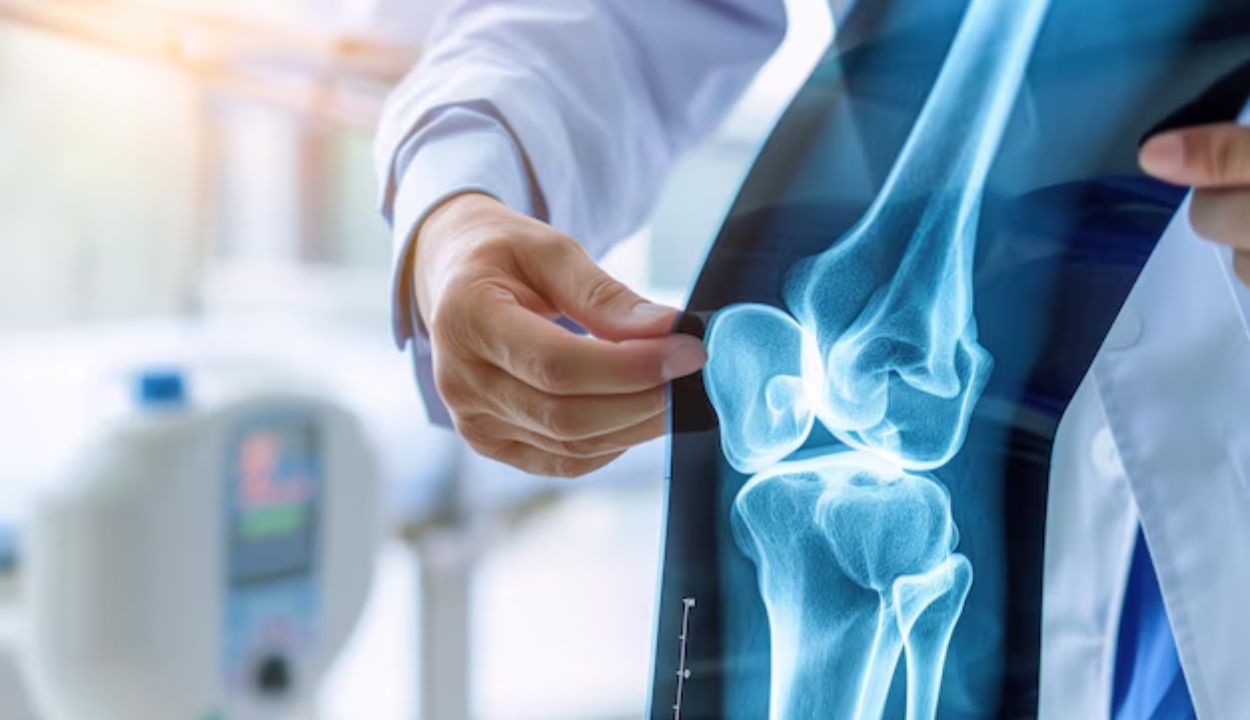
Knee arthroscopy has long been recognized as a minimally invasive and highly effective method to diagnose and treat knee problems. With smaller incisions, faster recovery, and reduced pain compared to open surgery, it has been the gold standard for athletes and everyday individuals alike.
But in 2025, knee arthroscopy is undergoing a revolution.
New technologies — including 3D visualization, ultra-HD imaging, artificial intelligence (AI), biological augmentation, and even robotic guidance — are transforming what surgeons can see, repair, and regenerate inside the knee. This shift is turning arthroscopy from a simple corrective procedure into a precision-driven, regenerative, and customized solution for knee joint preservation.
This blog explores the top trending advancements in knee arthroscopy and what they mean for patients today.
1. Ultra-High-Definition Imaging & 3D Visualization
Modern arthroscopy tools now offer:
-
4K and 8K video clarity
-
3D visualization for enhanced depth perception
-
Digital contrast enhancement to highlight tears and cartilage defects
This leap in visual detail allows surgeons to detect subtle injuries such as:
-
Micro-tears in the meniscus
-
Early cartilage softening
-
Small ligament frays
Better visualization = better diagnosis = more accurate treatment.
2. Artificial Intelligence (AI) in Knee Diagnosis & Surgical Planning
AI is becoming a major trend in orthopaedics:
-
AI systems analyze MRI and arthroscopy video in real-time
-
Predict risk of cartilage deterioration
-
Suggest optimal treatment pathways
-
Assist surgeons with personalized planning
This results in:
-
Early detection of problems
-
Personalized surgical techniques
-
Fewer complications
-
Improved long-term outcomes
Soon, AI-assisted arthroscopy may become standard practice worldwide.
3. Robotic-Assisted Knee Arthroscopy
Robotics isn't just for knee replacements anymore — it’s entering arthroscopy too.
Benefits include:
-
Millimeter-level surgical precision
-
Greater consistency across procedures
-
Reduced risk of surgical errors
-
Enhanced safety in complex reconstructions
Robotic guidance is particularly useful in:
-
ACL reconstruction
-
Meniscus repair
-
Alignment-sensitive cartilage restoration
The future is clear: surgeons + robots = exceptional accuracy.
4. Regenerative Medicine: Turning Repairs into Restoration
One of the biggest trends is combining knee arthroscopy with biological therapies that promote real healing rather than removal or trimming of damaged tissue.
Common regenerative treatments performed alongside arthroscopy include:
• Platelet-Rich Plasma (PRP)
Boosts healing for cartilage, ligaments, and tendons.
• Stem Cell Therapy
Encourages regeneration of cartilage and soft tissue.
• Cartilage Cell Implantation (ACI/MACI)
Used when cartilage defects are significant.
• Biologic Scaffold Implants
Act as “patches” for meniscal or cartilage defects.
This shift means more patients can preserve their natural knee structures — delaying or preventing arthritis and major surgeries in the future.
5. Next-Gen Tools: Smart Fluid Management, Disposable Scopes & Portable Systems
New innovations are making arthroscopy:
-
Cleaner (lower infection risk)
-
Faster
-
More mobile
-
More affordable
Some trending technologies:
-
Disposable arthroscopes
-
Automated fluid-pressure regulation systems
-
Portable mini-arthroscopy kits (favored for sports sideline care)
These tools improve surgical safety and expand arthroscopy access even to smaller hospitals and sports centers.
6. Better Post-Operative Outcomes & Faster Rehabilitation
Modern techniques lead to:
-
Reduced pain
-
Minimal swelling
-
Faster return to sports
-
Lower chances of re-injury
Rehab is now paired with:
-
Personalized physiotherapy
-
Strengthening programs based on AI movement analysis
-
Digital recovery tracking apps
Patients don’t just get surgery — they get a comprehensive recovery plan.
What This Means for Patients
You benefit from:
-
More accurate diagnoses
-
Less invasive treatment
-
Faster healing
-
Better long-term knee health
-
Risk reduction of future arthritis
-
Access to regenerative options
Whether you’re an athlete, office worker, or senior — modern arthroscopy offers safer and longer-lasting solutions.
Questions to Ask Your Surgeon
Before undergoing knee arthroscopy, ask:
-
Do you use 4K/3D visualization systems?
-
Is AI or computerized planning used in your clinic?
-
Are robotic-assisted techniques available?
-
Can biological therapies like PRP or stem cells be added to improve outcomes?
-
What is the expected recovery timeline for my specific condition?
-
Is my knee problem best treated with arthroscopy, or are other options better?
Conclusion
Knee arthroscopy is entering a new era — one driven by technology, precision, and regenerative medicine. Patients today can expect not only minimally invasive surgery, but also smarter, safer, and more restorative outcomes.
As techniques continue to evolve, knee arthroscopy is becoming a powerful tool for maintaining lifelong mobility and preventing long-term joint damage.
If you’re dealing with knee pain or injury, now is the best time to explore these advanced treatment options with a specialist.